Books
Published Works
My published work spans speculative fiction, personal storytelling, and tabletop fantasy, reflecting a lifelong interest in exploring ideas through very different forms of storytelling.
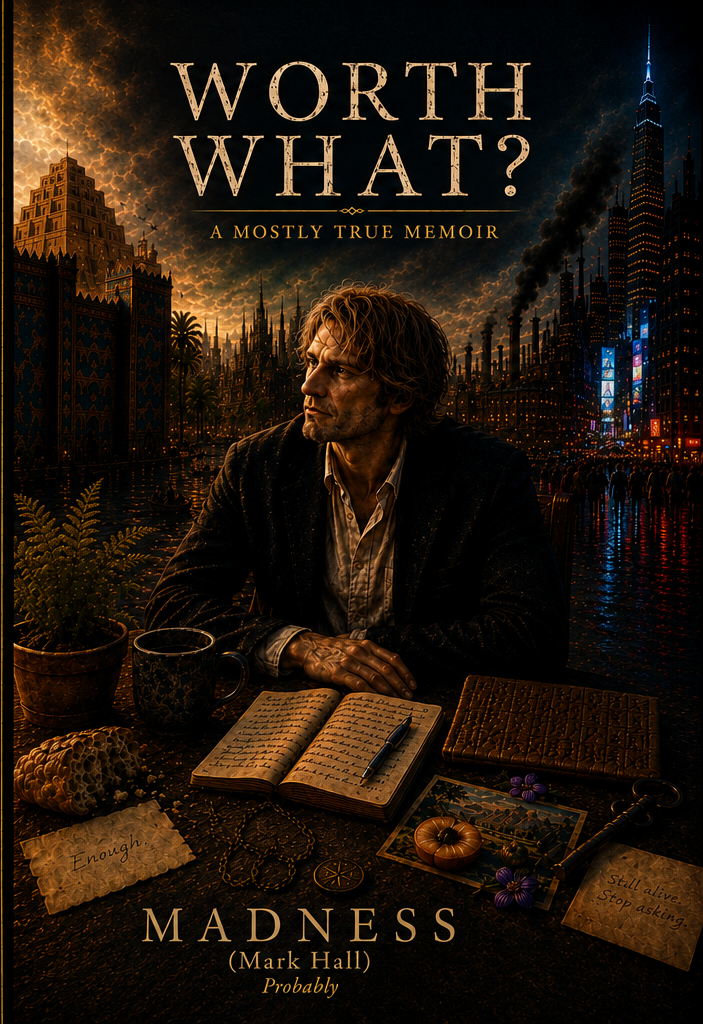
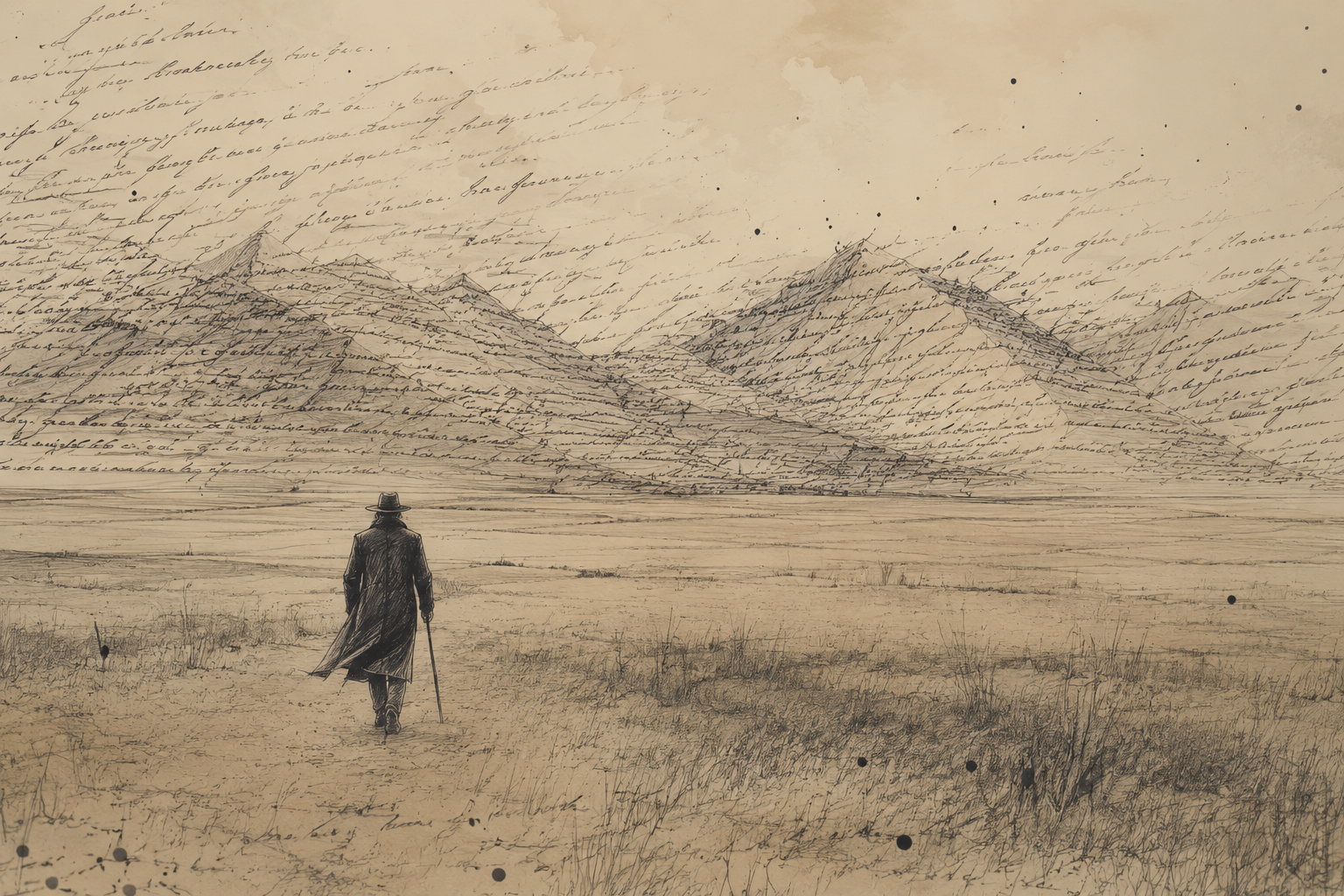
Worth What?: A Mostly True Memoir
He has lived for more than five thousand years. His memory is excellent, except when it isn’t. Once he lived among gods, until he made the thoroughly unreasonable decision to leave them for humanity and acquired a new title along the way: the God of Madness. Since then, Madness has been a friend, father, lover, husband, nuisance, occasional healer, and witness to civilizations rising and disappearing. He remembers kings and wars, but he would rather tell you about the ordinary people who made eternity worth enduring. Told in twenty-four chapters of questionable chronology and even more questionable reliability, Worth What? is a funny, irreverent, unexpectedly tender speculative memoir about immortality, grief, memory, and the strange arithmetic of loving people you know you will outlive. At its heart is a simple question: Is an endless life worth anything without the finite ones inside it?
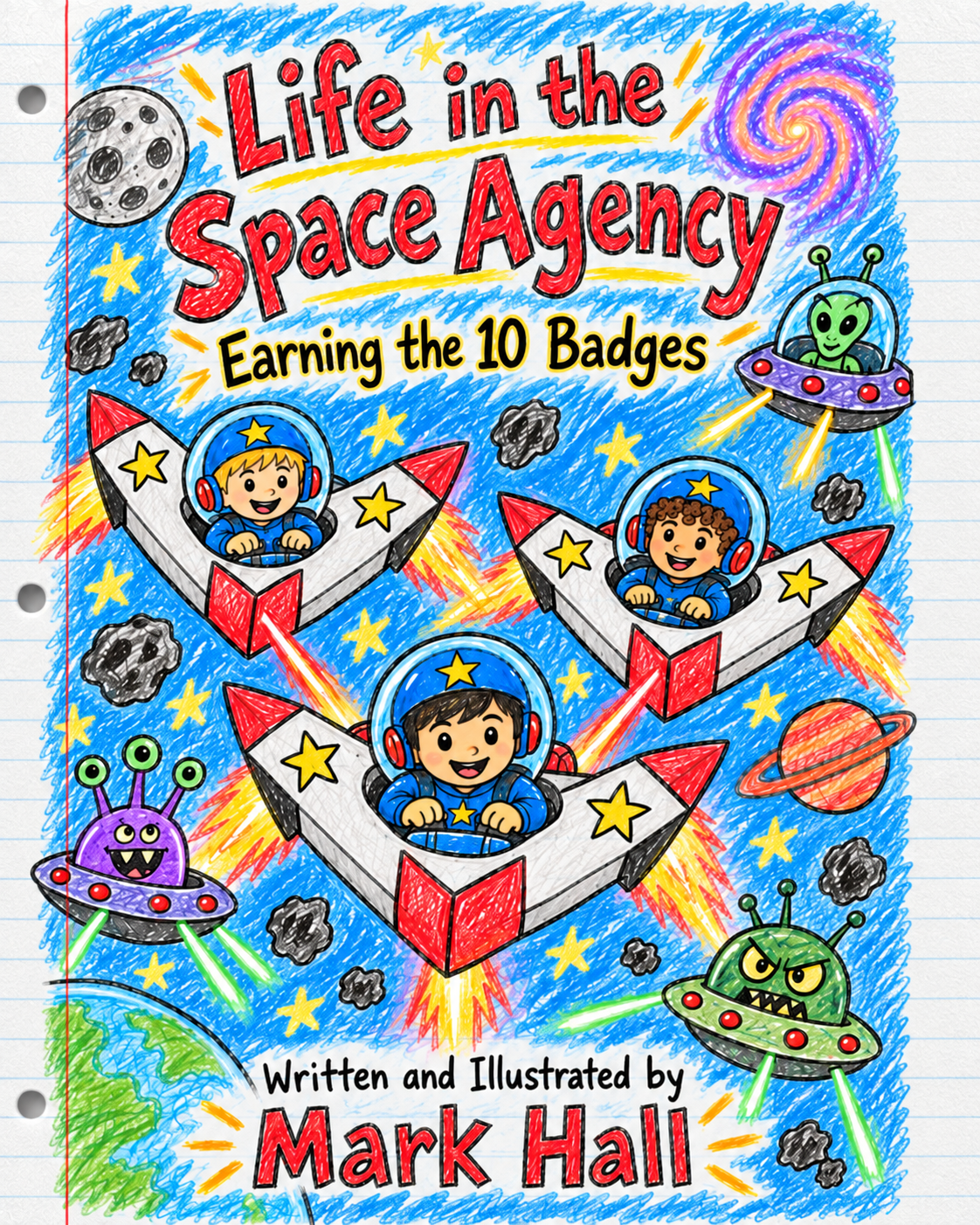
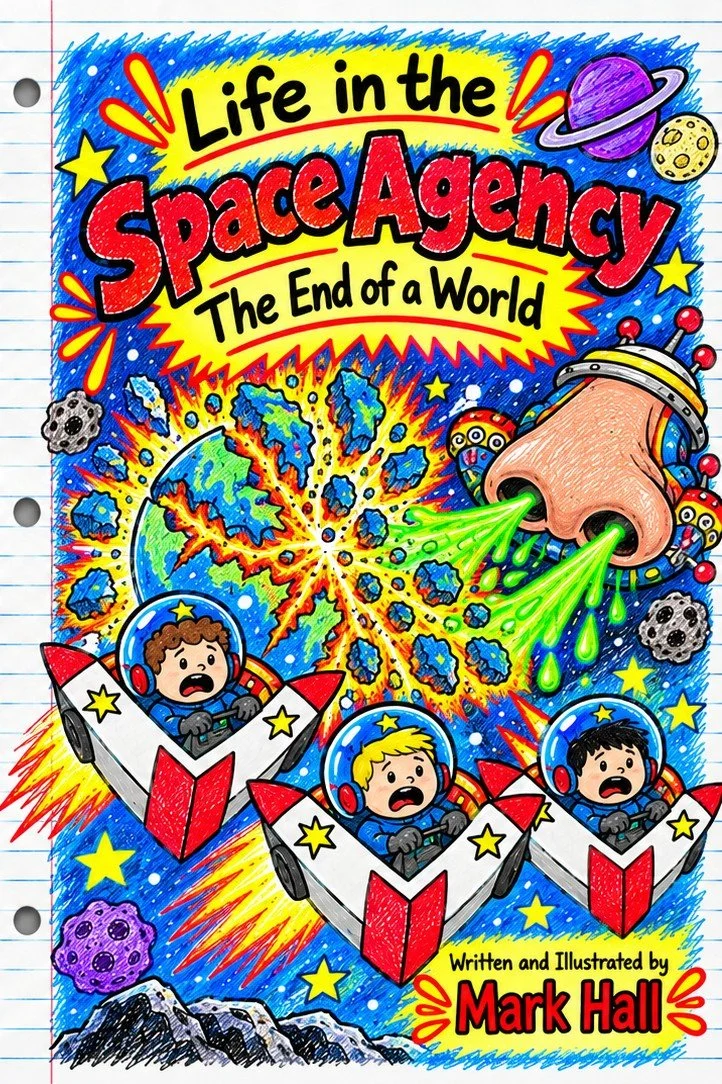
Life in the Space Agency Series
What happens when a seven-year-old decides to write a science-fiction series, and nobody comes along decades later to make it more sensible? Life in the Space Agency is a time capsule of childhood imagination, published with virtually no editing from stories originally written at seven. The logic is fearless, the storytelling gloriously direct, and ideas arrive with the confidence children have before anyone teaches them which ones are supposed to be impossible. Rather than rewriting those early stories through an adult lens, the series preserves their odd turns, accidental comedy, earnest ambitions, and creative freedom. Life in the Space Agency is part space adventure, part literary artifact, and part reminder that every writer starts somewhere. Sometimes the most interesting thing about an old story is not how well it follows the rules, but how little its author knew those rules existed.
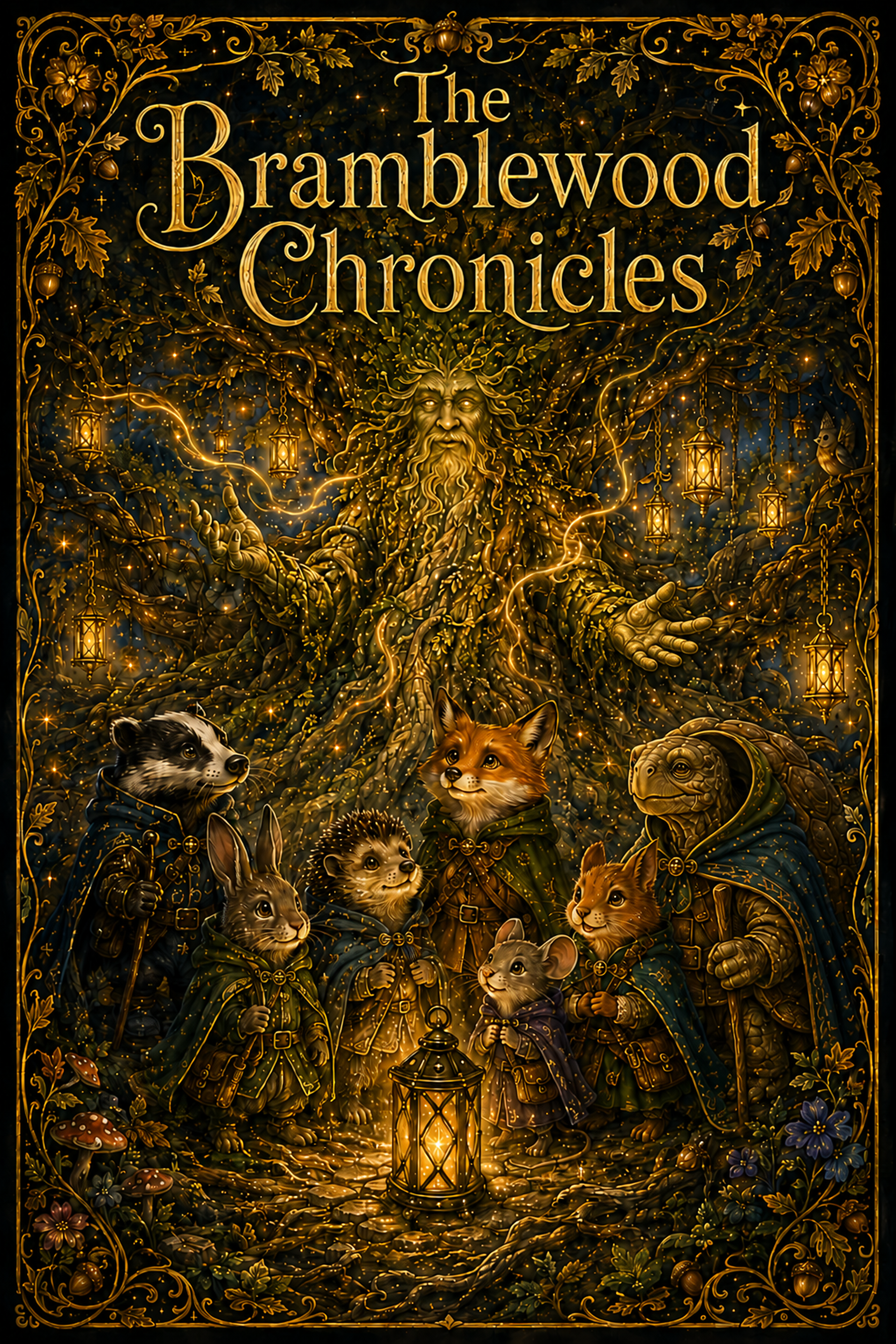
The Bramblewood Chronicles
Deep in Bramblewood, adventure does not always begin with a sword, and the best solution to a problem is rarely the most obvious one. Created for younger players, families, and people discovering tabletop roleplaying for the first time, The Bramblewood Chronicles is a complete cozy woodland fantasy campaign built around friendship, mystery, exploration, and imagination. Players are encouraged to talk, investigate, improvise, and solve problems creatively, with peaceful resolutions taking priority over combat whenever possible. The result is an approachable introduction to collaborative storytelling that still leaves room for experienced players to enjoy the world and its surprises. The Bramblewood Chronicles is a family-friendly tabletop adventure about working together, thinking differently, and discovering that heroism can mean listening, helping, negotiating, or simply finding the clever third option nobody thought to put on the character sheet.
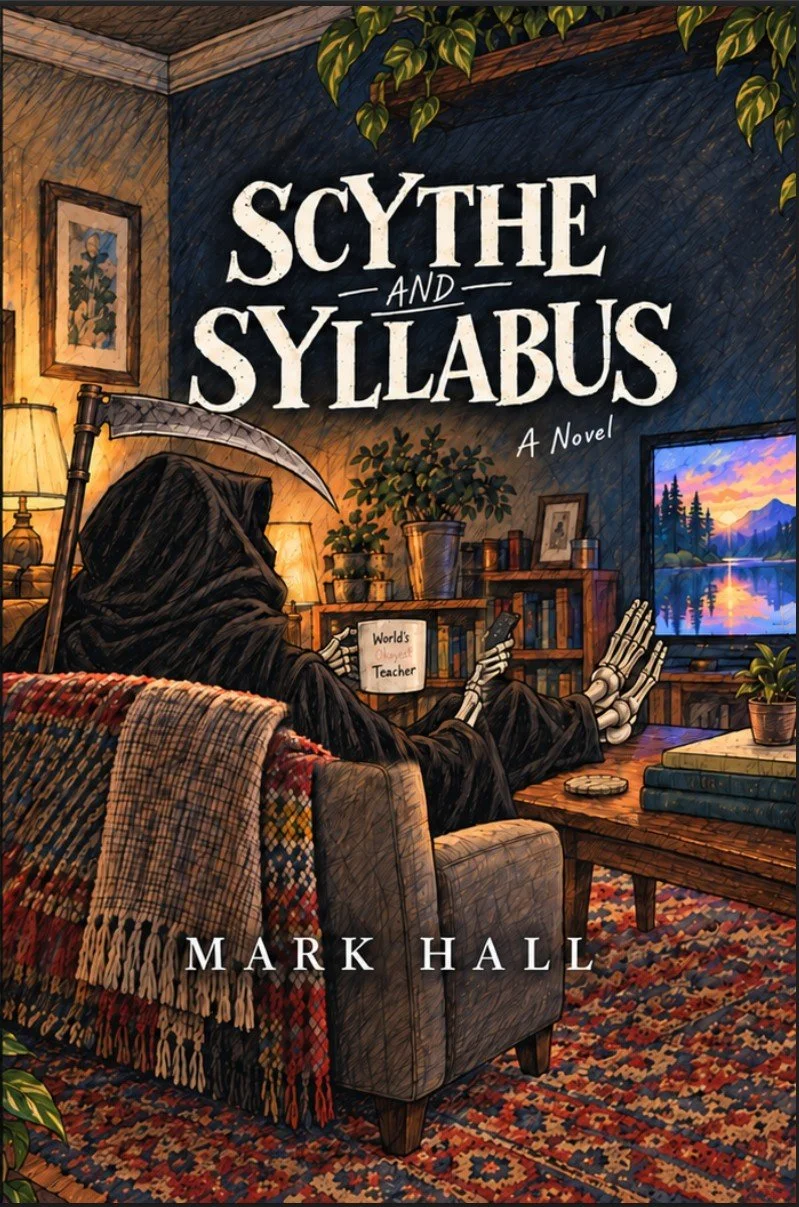
Scythe and Syllabus
When Death abruptly retires, humanity discovers that immortality is considerably less pleasant than advertised. People can still grow old, get sick, and suffer. They simply can’t die. Meanwhile, Death has moved into the spare bedroom of Geraldine Look, a burned-out special education teacher who still loves her students even if she has considerably less affection for the bureaucracy surrounding them. As the world struggles with life without endings, an exhausted teacher and an exhausted cosmic functionary find themselves arguing over coffee about work, burnout, mortality, bureaucracy, and whether knowing how a story ends tells you anything about what the story meant. Scythe and Syllabus is a darkly funny, deeply human fantasy about teachers, Death, and the dangerous assumption that caring about something means you must allow it to consume you.
Together, these books represent very different kinds of stories, but they share a common purpose: exploring unfamiliar worlds, unusual ideas, and the many ways storytelling can invite us to see things differently.